How to use a tea infuser for loose leaf tea
A teaspoon of leaf, water at the right heat, and a timer. The infuser's job is to give the leaves room, then get them out of the way before the tea stews.
On this page
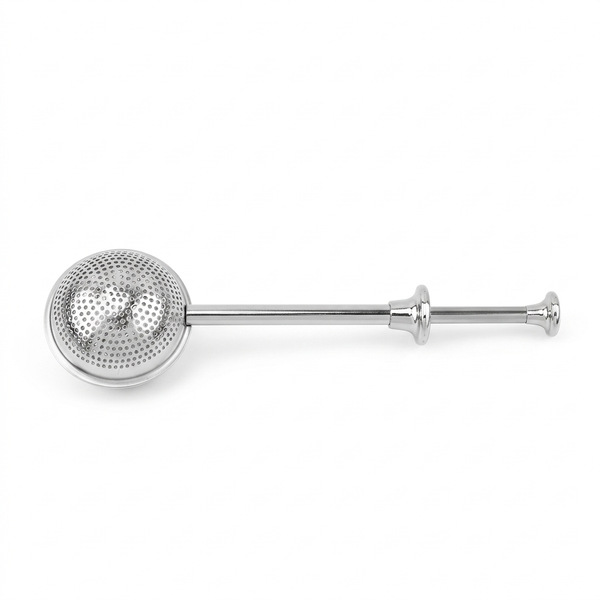
Using a tea infuser comes down to four things: the right amount of leaf, water at the right temperature, the right time, and getting the leaves out when the time is up. The infuser does the last part, and its other job is to give the leaves enough room while they brew.
The basic method
- Put one rounded teaspoon of loose tea in the infuser for each cup. That is the UK Tea and Infusions Association's measure, and a good place to start before you adjust to taste.
- Boil freshly drawn water, and only as much as you need. The association's advice is not to boil the same water more than once, because that reduces the oxygen the water needs to draw the best flavour out of the tea.
- Let the water cool first if the tea needs it (see the temperatures under the next heading), then pour it over the infuser in the cup or pot.
- Steep for the time on the pack, or in the table.
- Lift the infuser out and put it on a saucer.
Temperature and time by tea
The association gives 90 to 98°C (194 to 208°F) for black tea, which is close to just boiled, and around 80°C (176°F) for green tea. If your kettle has no temperature setting, let the boiled water stand a while before it goes on green tea. The association gives no standing time, so go by the pack.
These brewing times are from the association's own table. Where the pack says something different, go with the pack.
| Tea | Type | Steep for |
|---|---|---|
| Assam | Black | 3 to 4 minutes |
| Darjeeling | Black | 3 to 4 minutes |
| Earl Grey | Black | 3 to 4 minutes |
| Kenya | Black | 3 to 4 minutes |
| Ceylon Uva | Black | 3 minutes |
| Lapsang Souchong | Black | 4 to 5 minutes |
| Oolong | Oolong | 3 to 5 minutes |
| Sencha | Green | 2 to 2.5 minutes |
| Jasmine | Green | 2 to 3 minutes |
| Gunpowder | Green | 3 to 4 minutes |
| Genmaicha | Green | 3 to 4 minutes |
For herbal teas, oolong temperatures and anything not listed here, follow the pack. The association says to read it every time anyway.
Give the leaves room
Loose leaves unfurl as they steep and take up more room wet than they did dry. An infuser packed to the brim gives them nowhere to go. So fill it loosely, and pick the infuser by the tea and the cup.
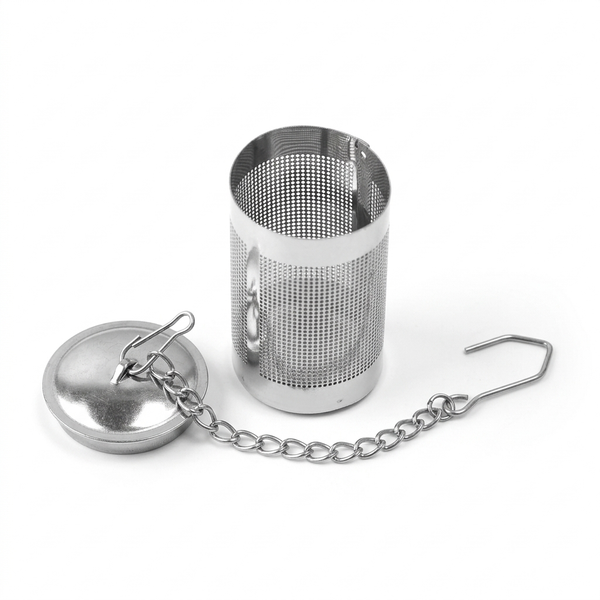
The hanging pipe infuser is 304 stainless steel, and its page describes a pipe-style filter with a hook that hangs it over the rim of a mug. The page lists the options as All Tea Ball, Tea Strainer, Taper Tea Glass and Half Tea Ball, but gives only one set of measurements (about 14 cm long, tube about 2 cm across) and does not say which option they belong to, so check the photos when you choose. It gives no advice on leaf size either, and a 2 cm tube is narrow, so make sure your tea will fit in it loosely.
The chain tea infuser is also 304 stainless steel. The page describes three shapes: a ball about 3.5 cm across on an 11.5 cm chain, a heart-shaped spoon about 14.3 cm long, and a small cylinder. They are made for everyday cups and mugs, and the page says they work for tea, herbs, spices and seasoning blends.
Take the leaves out on time
This is the point of an infuser. Leaves left in the pot keep brewing, so the tea keeps getting stronger the longer they stay in. The association's advice is to let the tea brew for the recommended time before pouring. When the time is up, lift the infuser out, let it drip for a second over the cup, and put it aside.
Tea on the go
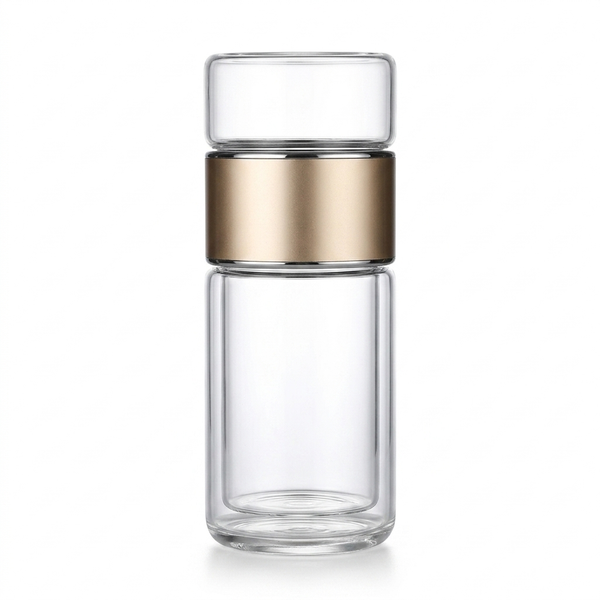
The glass tea infuser bottle is a 420 ml double-wall glass bottle, with a removable stainless steel tea filter and a leak-resistant lid. The page says the double wall helps reduce heat transfer to the outside, and that the bottle works for hot and cold drinks, fruit-infused water included.
The one thing to know: as long as the filter is in, the tea is still steeping. For a bottle you will sip across a morning, brew it for the usual time, then take the filter out. It is glass, so its page recommends hand washing for long-term use, careful handling and avoiding sudden temperature changes. Don't pour hot water into a bottle that has just come out of the fridge.
Choosing a mug
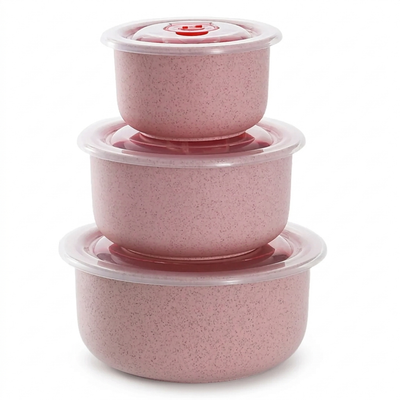
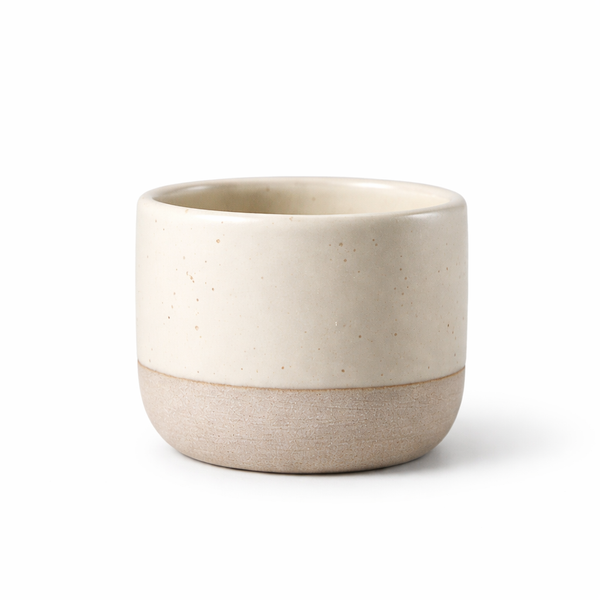
The vintage stoneware mug comes in small, medium and large; its page lists capacities of 100, 180 and 230 ml, so check that your infuser fits before you buy. The page also says it is microwave and dishwasher safe, recommends hand washing for longevity, and warns against sudden temperature changes.
Cleaning the infuser
Tap the used leaves out (the association says spent tea can go on the garden compost) and rinse the infuser straight away, before the leaves dry onto the mesh. The pipe infuser's page says to wash it with mild soap and warm water and dry it thoroughly before storing. The chain infuser's page recommends hand washing and drying it fully.
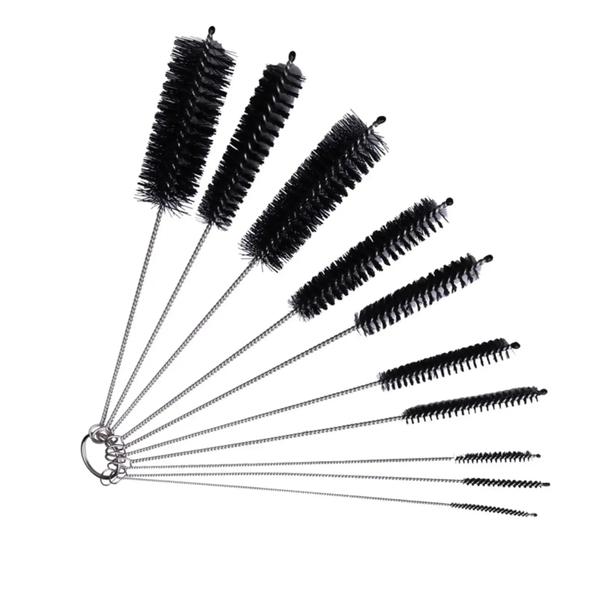
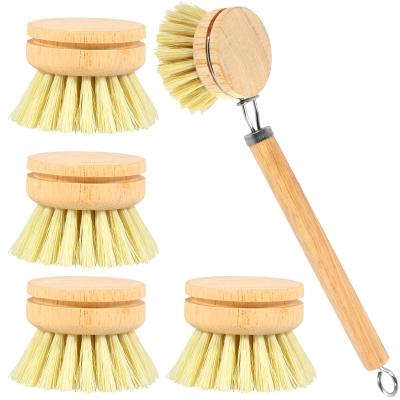
If tea residue stays in the mesh, a thin brush can reach it. The pipe tube brushes come ten to a pack at about 20 cm. Their page says they are for narrow tubes, spouts and straws; it gives no bristle width, so it is worth checking one against the pipe infuser's 2 cm tube.
A note on matcha
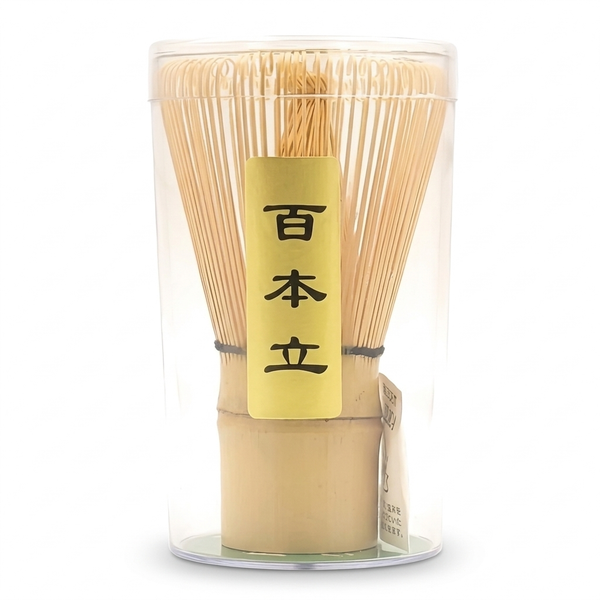
Matcha is the exception. It is a powdered tea, so it doesn't go in an infuser at all: it is whisked into the water and drunk, powder and all. The bamboo whisk, or chasen, is made from natural bamboo for matcha and other powdered teas. Rinse it in warm water after use, let it air dry thoroughly, and don't leave it soaking.
Sources
About this guide. We sell the tools named here, and we’ve said where they aren’t the right choice. Product details come from each product’s own page. Food-safety and care points follow the sources above and are general guidance; where your appliance or pan came with its own instructions, those come first.